PDA
The indispensable lifeline for navigation, communication, and survival within the hostile Chernobyl Exclusion Zone.

Silbof · CC BY-SA 4.0
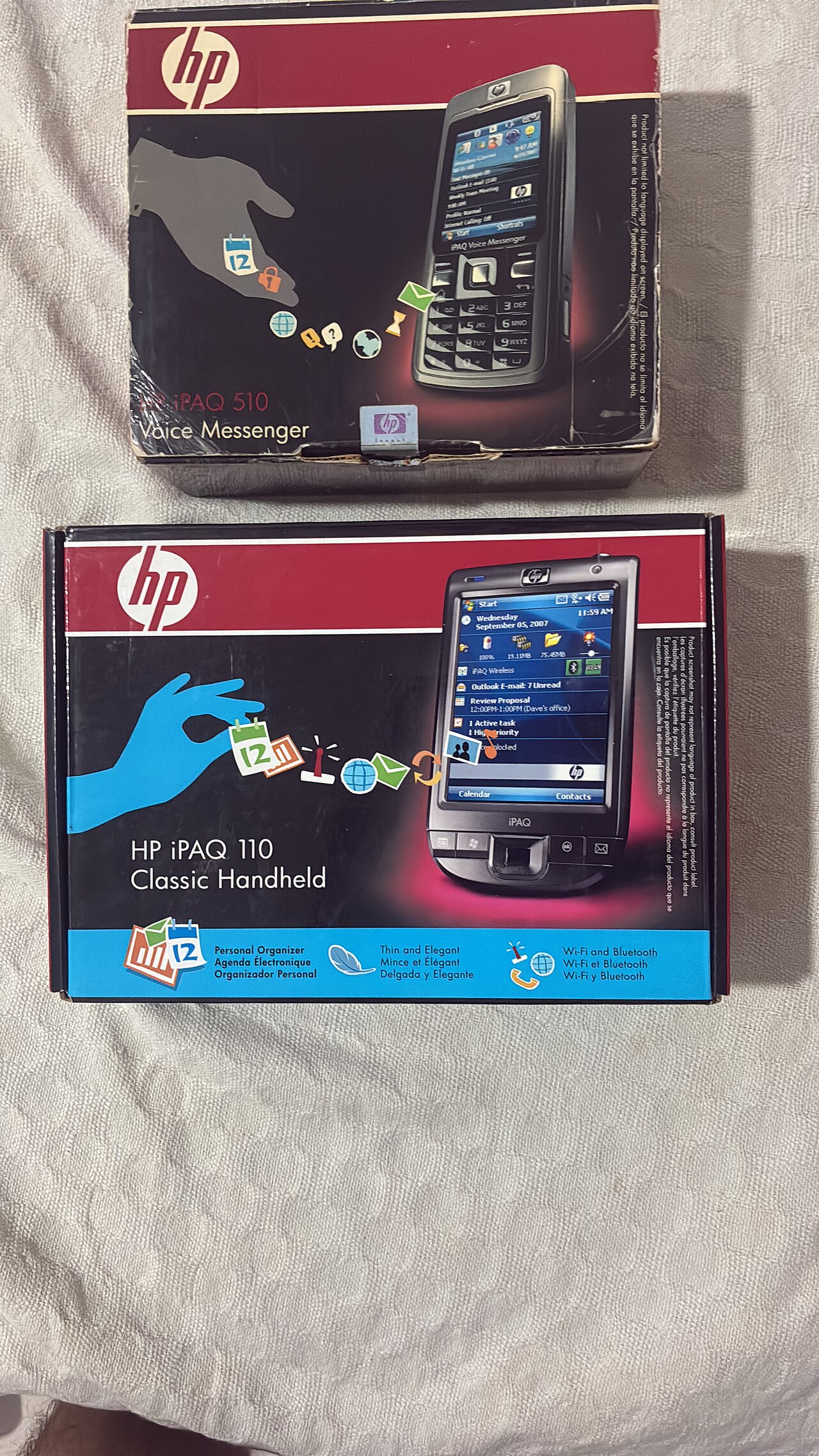
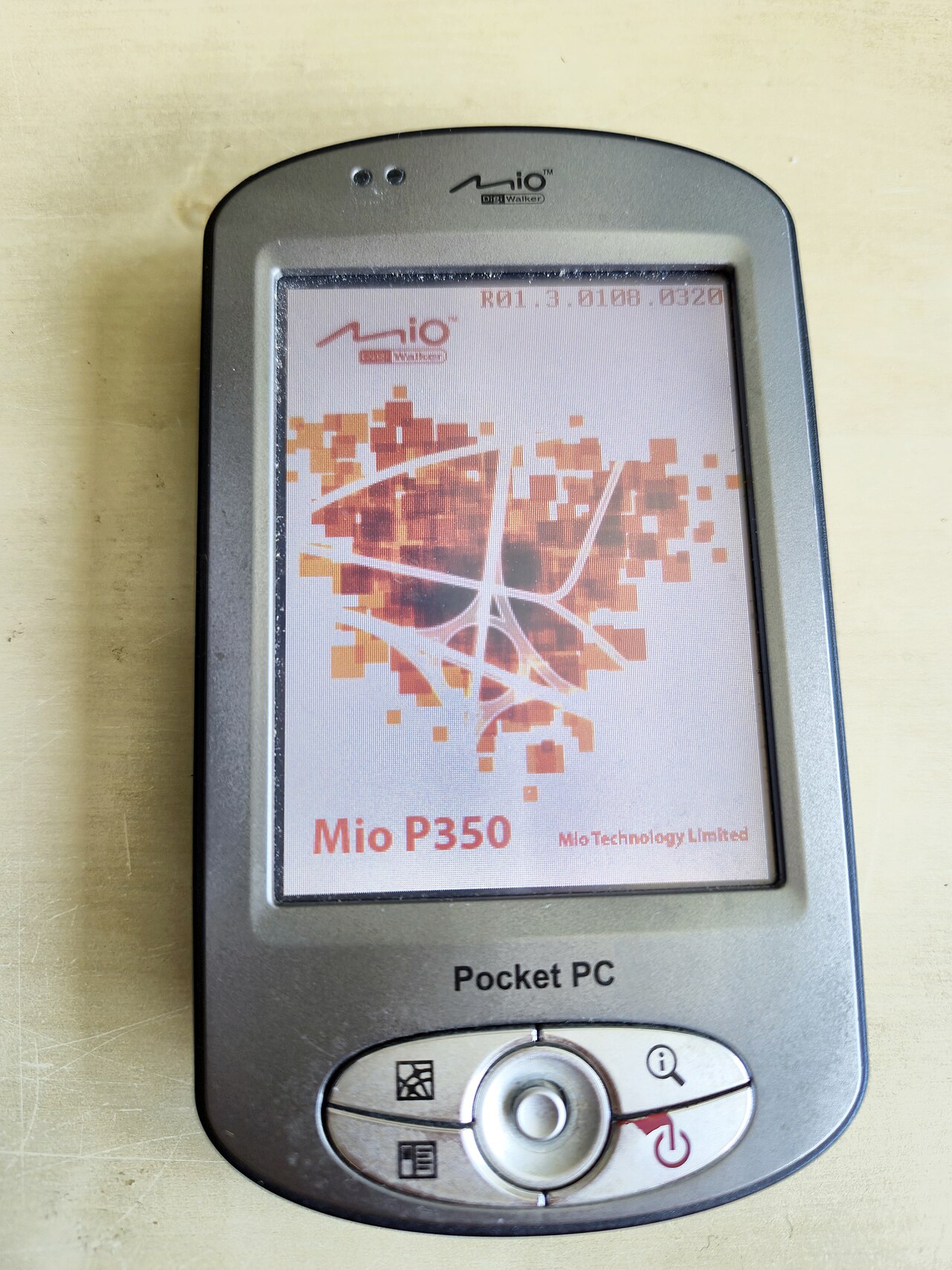
The Personal Data Assistant (PDA) is a handheld computing device commonly used by Stalkers throughout the Chernobyl Exclusion Zone. Serving as a versatile tool, it combines a digital map, communication radio, and inventory management system into a single ruggedized unit. While a functioning PDA greatly aids navigation and coordination with factions, it is not strictly necessary for survival. In the game mechanics, the PDA acts as the primary user interface for navigation and social interaction. It allows players to view the topography of the area, track objectives, and manage their stash of artifacts and ammunition. Note that the static noise and visual interference that appear on the player's screen when near anomalies are a game mechanic affecting the overall display, not a function of the PDA interface itself. Interestingly, in *Call of Pripyat*, faction-specific PDAs feature distinct color schemes and interface styles, reflecting the unique identities of groups like Duty, Freedom, and the Ecologists.
- Key Feature
- Navigation, communication, and inventory management; anomaly detection is not a PDA function
Lore & Background
Within the lore of the S.T.A.L.K.E.R. universe, PDAs are often repurposed military or industrial surplus devices used by scavengers to survive the chaotic environment of the Zone. However, not every Stalker carries one before entering the restricted area; many enter without PDAs, and devices are frequently looted from corpses or found in the field. The PDA's lore functions are limited to mapping, communication, and data storage. The static noise and visual interference that appear on the player's screen when near anomalies are a game mechanic affecting the player's view, not a lore-based early warning system of the PDA itself. There is no established canon that the PDA interacts with the Zone's electromagnetic fields to detect anomalies.
In Their Own Story
The rain hammered against the rusted tin roof of the abandoned bunker, drowning out the distant hum of the Zone. Dimitri fumbled with his PDA, the screen flickering erratically as he stepped closer to the edge of the clearing. The device let out a sharp burst of static, the map overlay dissolving into digital snow. 'Too close,' he muttered, backing away slowly. The silence that followed was heavier than the storm; without the constant chatter and guidance of his PDA, the darkness felt like it had teeth.
Reader's Guide
Players interact with the PDA primarily through a dedicated key command to open its interface overlay. This menu displays a top-down map where players can set waypoints, view faction territories, and track mission objectives. Resource management is handled within the PDA's inventory tab, allowing for the organization of weapons, armor, food, and artifacts. Players must frequently check their signal strength; high interference often indicates nearby anomalies or mutants, requiring caution before proceeding. Communication is managed via the radio function, enabling players to receive calls from NPCs, accept quests, and listen to ambient chatter that provides clues about local dangers. Customization involves equipping different PDA skins in some entries, though functionality remains consistent across all models.
Did You Know?
- The static noise and visual interference on the player's screen when near anomalies are a game mechanic, not a function of the PDA interface.
- In S.T.A.L.K.E.R.: Call of Pripyat, audio logs are pre-recorded items found in the game world, not recorded by the player.
- Contrary to earlier assumptions, PDAs in *Call of Pripyat* have faction-specific color schemes and interface styles—for example, Duty PDAs feature a red-and-black motif, while Freedom PDAs sport a green-and-yellow scheme
- Losing a PDA in the Zone is considered a death sentence in Stalker folklore due to the inability to navigate safely.
Developmental Odyssey
The journey to bring S.T.A.L.K.E.R. 2: Heart of Chornobyl to life has been as turbulent as the Zone itself. Initially conceived shortly after the 2009 release of Call of Pripyat, the project faced an abrupt cancellation in 2012, leaving fans waiting for over a decade. Development finally resumed in 2018, leveraging the advanced capabilities of Unreal Engine 5 to modernize the franchise. The path was further complicated by geopolitical tragedy; following the Russian invasion of Ukraine, work was halted entirely before eventually restarting. After numerous delays and shifting release dates from late 2022 to late 2024, the game finally launched on November 20, 2024. This long-awaited sequel marked a significant milestone as the first main entry in fifteen years. Its commercial debut was immediate, selling one million copies within just two days, though critical reception remained mixed. A version for PlayStation 5 followed exactly one year later in November 2025, expanding the game's accessibility to console players worldwide.
Survival Mechanics and Atmosphere
Set within the post-apocalyptic Chernobyl Exclusion Zone, the gameplay blends first-person shooting with intense survival horror elements. Players must meticulously manage their character's physical needs; ignoring indicators for hunger or sleep leads to exhaustion and eventual death. The environment is unforgiving, featuring dangerous anomalies that can injure or kill on contact. To navigate these threats, players use bolts to probe boundaries and specialized detectors to locate artifacts—valuable items with unique beneficial or detrimental effects. Resource management is critical, as armor and weapons degrade over time, requiring constant maintenance. The world is vast but initially fragmented into territories, many of which remain inaccessible until specific conditions are met. Within Stalker camps, players can interact with traders, technicians, and medics to repair gear, rest, or store excess inventory in crates. A central tool for navigation is the PDA, allowing users to view maps, mark locations, track objectives, and read discovered notes, serving as a lifeline in this chaotic landscape.
Narrative Arc and Protagonist
The story follows Yevhen 'Skif' Martynenko, a Ukrainian Marine Corps veteran returning from a three-year deployment. His life is upended when an anomaly destroys his apartment outside the Zone, leaving behind a mysterious artifact. Seeking funds for a new home, Skif is smuggled into the exclusion zone by Professor Hermann alongside a device called the 'Scanner,' capable of generating local anomalies and recharging artifacts. After his initial team is killed, Skif operates alone until he encounters Richter, a friendly loner who aids in recovering stolen equipment. The narrative weaves through complex factional conflicts involving Ward, a military group seeking control; Spark, an anarchistic faction led by Scar from Clear Sky aiming for a utopian 'Shining Zone'; and Noontide, former Monolith soldiers now divided between Strider's desire for safety and Faust's fanaticism. Skif eventually confronts the C-Consciousness and Strelok, who has become a conservative zealot protecting the Zone.
Factions and Divergent Endings
The game's climax revolves around the Wishgranter, a powerful psychic hologram generator controlled by SIRCAA, which brainwashes Monolith soldiers. Skif must choose alliances that dictate the fate of the Zone and its inhabitants. Depending on his choices regarding Ward, Spark, or other factions, four distinct endings emerge. If Skif sides with Ward, Colonel Korshunov enters the final pod to halt the Zone's expansion, granting SIRCAA control over its energy; Skif rejects a high-ranking offer and leaves the Zone apathetic. Aligning with Spark leads Scar into the pod, creating an illusion of a utopian paradise where friends are reunited, though this reality is revealed as another psychic construct. Other paths involve confronting Faust at the Duga radar or engaging directly with the C-Consciousness pods. Ultimately, Skif's decisions determine whether the Zone becomes a controlled resource, a false utopia, or remains a chaotic force reshaped by human will.
Gallery
Frequently Asked Questions
What is the Personal Data Assistant?
It is a ruggedized handheld computer issued to almost every Stalker entering the Chernobyl Exclusion Zone. This device integrates critical tools like digital mapping and radio communication into one portable unit.
How does the PDA help detect anomalies?
The device emits specific signals that create interference when near hidden environmental hazards. Players rely on these visual or audio cues to avoid stepping into lethal traps without direct sight.
Why is the PDA essential for survival?
Without this tool, managing inventory and tracking mission objectives becomes incredibly difficult in such a hostile environment. It serves as the primary interface for navigating the complex topography of the Zone.
Do all factions use the same type of PDA?
While designs may vary slightly between groups, every faction depends on this technology for coordination and entry. It is considered standard equipment for any mercenary operating within the Exclusion Zone.
Does the PDA have a specific narrative ending?
The device itself does not possess sentience or a personal storyline separate from its user. Instead, it functions as a constant companion that records vital information driving the mystery of the Zone forward.
More in Survival & Mechanics
Elsewhere in the STALKER universe
Spotted an error? Know more?
This is a living reference — every entry is fact-audited, and reader corrections feed straight into our audit queue. Suggest an edit · See this site's audit record